01 / UCSF · Fitness, Aging & Stress Study
FAST Study
I ran day-to-day operations for a 24-week randomized trial testing whether exercise could reduce stress and slow cellular aging in highly stressed family caregivers, from IRB approval to publication.
At a glance
Six months of supported exercise lowered caregivers' stress, improved their fitness, and slowed cellular aging.
- My role
- Research Operations Lead
- Collaborators
- Drs. Eli Puterman (Principal Investigator, University of British Columbia) and Elissa Epel (UC San Francisco), with an 11-person team across 2 research institutions.
- Focus
- Research Operations · Recruitment & Retention · Wearables & Digital Health · Program Evaluation
By the numbers
- caregivers
- 68
- weeks
- 24
- team
- 11-person
- institutions
- 2
01 / The challenge
Reaching a vulnerable population
Family caregivers give an average of 27 hours a week to someone else's care, and their own health is usually the first thing to go. The study asked them to add exercise, a positive stress that trains the body to recover, 3–5 times a week for six months. For people already stretched thin, even good stress is one more demand. The challenge was keeping them engaged while collecting rigorous biological, wearable, and real-time data.
02 / My contribution
From IRB approval to publication
- 01
Approvals
I prepared IRB submissions and study materials.
- 02
Recruitment & outreach
I partnered with community organizations and health providers across multiple sites, pairing health education talks with study outreach to enroll 68 caregivers.
- 03
Participant support
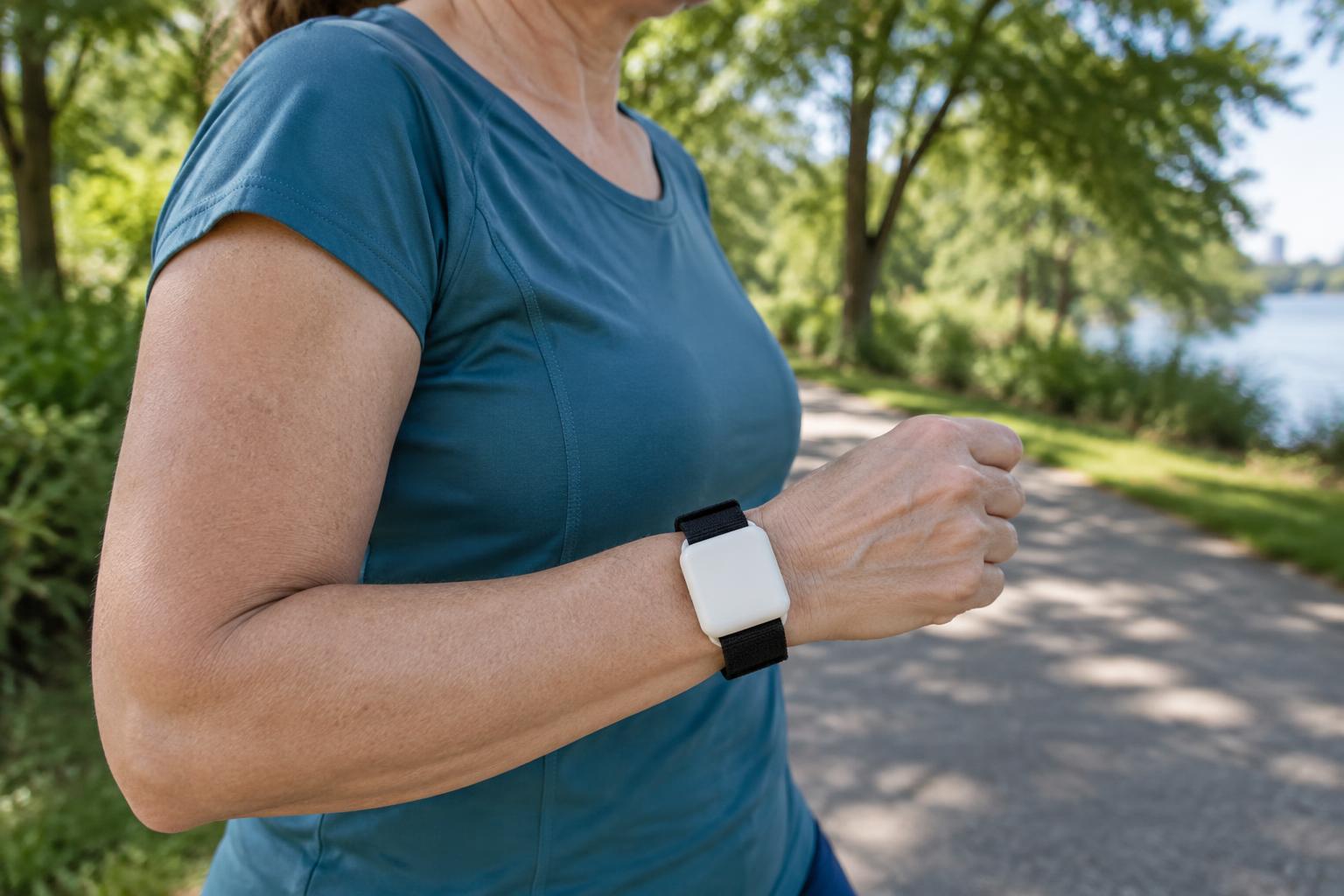
I was participants' main point of contact and onboarded adults with varied tech literacy onto actigraphy monitors, heart-rate monitors, and digital dashboards.
- 04
Lab visits
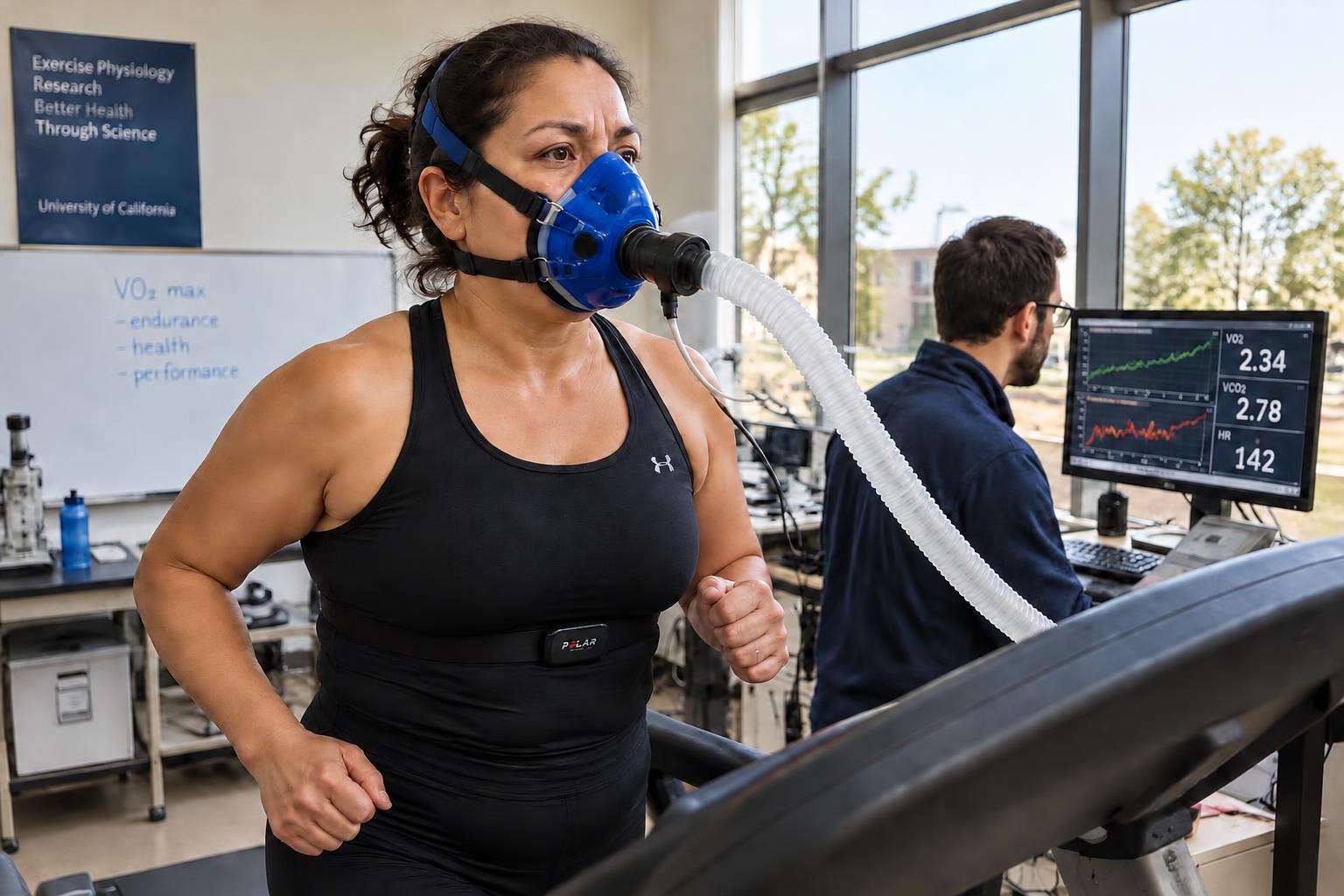
I led in-person lab visits with the exercise physiology team, coordinating VO₂ max testing, blood draws, and Bod Pod and DEXA body composition scans.
- 05
Team leadership
I trained and supervised 3 fitness coaches and 2 research assistants, and coordinated with a biostatistician, a supervising physician, 2 exercise physiologists, and 2 principal investigators.
- 06
Data-driven, human-led
I helped build and run our team's hybrid support system, connecting the data to the people. Wearables, automated reports, and daily EMA self-report surveys handled the tracking, so coaches could focus on the whole person, using motivational interviewing to build individualized plans. Curated weekly nudges, sent by text through Qualtrics, kept participants on track between sessions.
Behind the scenes, I tracked compliance across our auto-scored activity data and flagged caregivers at risk of falling behind, so coaches could step in where it mattered most.
03 / Outcome
What came out of it
- Delivered as designed: 81% of caregivers met the 120-minute weekly target, verified by actigraphy.
- Measurable impact: lower stress, better fitness, and telomere lengthening.
- Recognized: published in Psychoneuroendocrinology and awarded the 2018 Curt P. Richter Award.
Why it matters
Family caregivers provide over $1 trillion in unpaid care each year. FAST showed that hybrid human and digital support can keep this hard-to-reach group engaged and measurably healthier.
Next project
How We Heal