01 / UCSF · Aging, Metabolism & Emotion Lab × Emotion, Health & Psychophysiology Lab
Stress and Resilience Study
I built infrastructure for a cross-lab randomized trial testing whether brief daily doses of 'positive stress' can protect mood and health in highly stressed women.
- My role
- Research Operations Lead
- Collaborators
- Drs. Elissa Epel, UCSF Aging, Metabolism and Emotion Lab; and Wendy Berry Mendes, UCSF Emotion, Health and Psychophysiology team; certified Wim Hof breathwork instructors; research staff
- Focus
- Hormetic Stress · Protocol Design · Intervention Media · Psychobiology of Stress · Biomarkers
01 / The challenge
What kind of stressors can be good for you?
Chronic stress wears the body down, but short, intense bursts of stress may do the opposite, training the body to recover. The STARS Study at UCSF tested this "hormetic stress" by comparing high-arousal practices with low-arousal ones:
High Arousal
Wim Hof Method
Rapid breathing with breath retention, plus cold showers
High Arousal
High-intensity interval training (HIIT)
Low Arousal
Mindfulness meditation
Low Arousal
Slow-paced breathing with warm showers
The hard part: Wim Hof Method's cold showers and breath-holding are uncomfortable by design. So is high-intensity interval training. The study needed participants to stick with them safely, and needed every trainer to deliver them exactly the same way.
02 / What I built
Infrastructure for a replicable trial
- 01
Recruitment & enrollment
I coordinated cross lab team strategies for participant recruitment, screening, and enrollment, successfully enrolling 84 healthy midlife women with high stress and high depressive symptoms.
- 02
Intervention media
I produced the meditation audio and visual materials and worked with certified Wim Hof instructors to create the guided practices participants used every day. I created multiple breathing speeds to accommodate varied baseline respiration rates and different background music options to meet participant preferences.
Open intervention audios & manualsArchived intervention audios and manuals · STARS-D project on OSF.
- 03
Replicable protocols
I wrote the training and lab-visit protocols so every participant had the same experience, whichever trainer they worked with. This reduced variability and kept the data clean.
- 04
Adherence & safety scripts
Discomfort was expected. I created semi-structured scripts for lab facilitators and trainers to help participants work through it and stay on protocol, with clear safety checks.
- 05
Data integrity
As a team, we made sure biological samples were collected within strict time windows, so cortisol and other measurements stayed valid.
- 06
Cross-lab coordination & team leadership
I connected two labs, Epel's and Mendes's psychophysiology team, around shared protocols, schedules, and documentation, and supervised staff scheduling lab visits, keeping the study documented and on time.
03 / Outcome
What came out of it
Paper: "A randomized controlled clinical trial of a Wim Hof Method intervention in women with high depressive symptoms" (2024)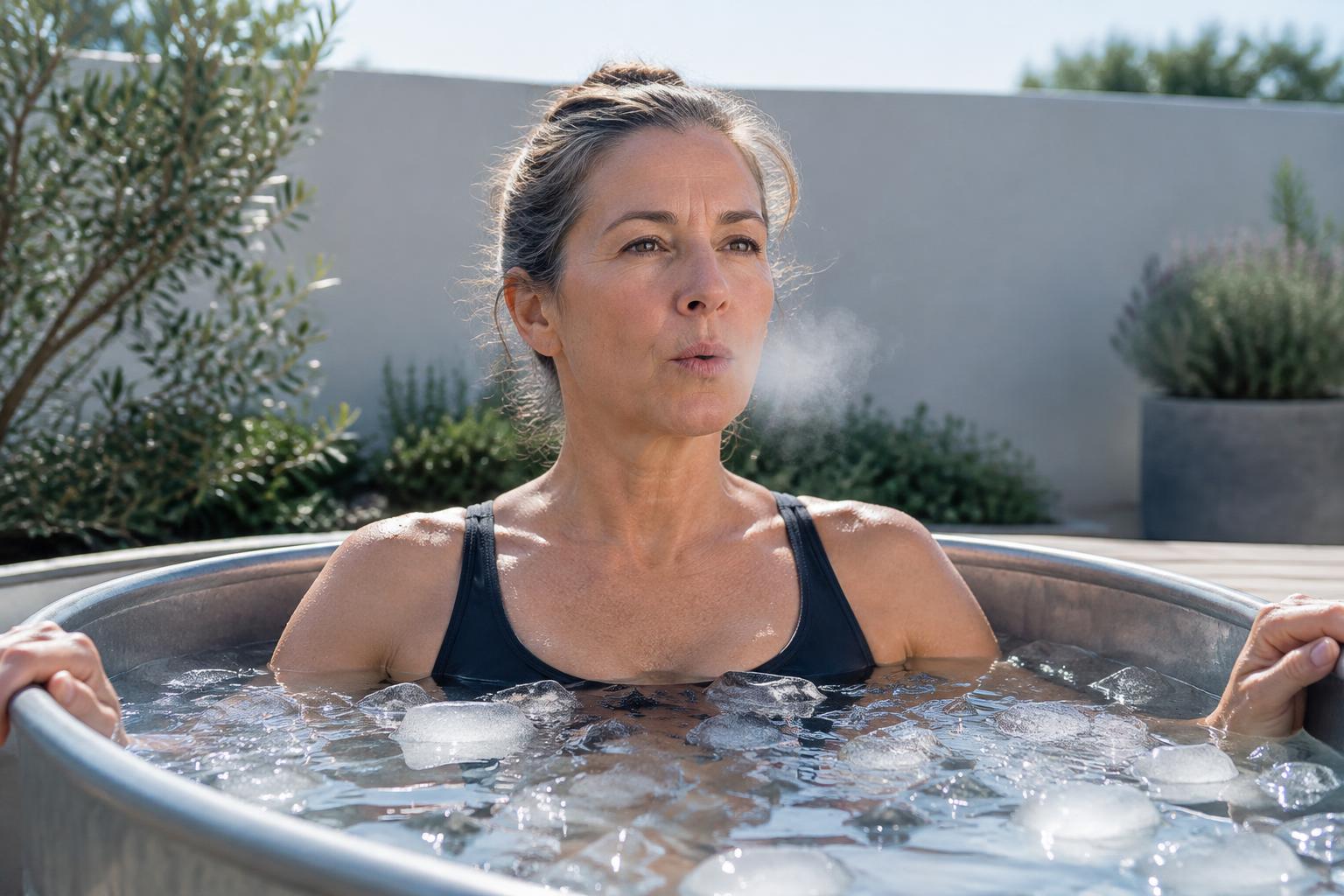
- Many paths to less stress: whether through hormetic stress or deep relaxation, participants felt better
- Different mechanisms: Wim Hof breathing uniquely built daily positive emotion that grew over time
- Wim Hof breathing also cut post-stress rumination, and both groups showed lower cortisol spikes in the lab
- Replicable, documented protocols delivered across trainers and two labs
Next project
Resilience Retreat